




























COP31 exposed the limits of international consensus on fossil fuels, but its failure could galvanise those countries willing to move faster. As clean technologies become more competitive and the risks of fossil fuel dependence rise, the economic case for accelerating the transition at national level is strengthening.
COP31’s failure to reach an overarching agreement in Antalya was disappointing. But another weak agreement with little prospect of being implemented might only have served to create an illusion of progress. Instead, Antalya exposed divisions that have widened since COP30 in Belém.
The breakdown could yet prove a turning point. More than 130 countries were unwilling to endorse another agreement that sidestepped the transition away from fossil fuels. This signals a political shift, albeit the UK and EU’s emphasis on this principled stance also risks diverting attention from another major sticking point: their reluctance to strengthen climate finance commitments to developing countries.
A widening gap between diplomacy and economic reality
COP31 coincided with the International Energy Agency’s World Energy Outlook 2026, published amid major disruption to global energy supplies. While governments struggled to agree on fossil fuels, the IEA analysis showed how the economics of energy are already changing.
Fossil fuels still dominate global supply, but electricity and new technologies are increasingly driving growth. Under the IEA’s Additional Response Case, oil and gas import expenditure could be 40% lower by 2035 than under its Current Policies Scenario, with around 15% more investment in grids and batteries.
Renewables, batteries and electric vehicles offer countries a new model of energy security, reducing dependence on volatile imported fuels through investment in domestic energy infrastructure.
For emerging economies, the opportunity is particularly significant. Carbon Tracker’s research estimates that accelerated adoption of electric vehicles could save Brazil up to $250 billion in fuel import costs by 2050, Colombia around $40 billion and Chile $27 billion, while reducing emissions from fossil fuel consumption. Realising these benefits, however, will require targeted policies, investment in charging infrastructure and electricity networks, and access to affordable finance.
Although COP31 failed to formally adopt the proposed 35-by-35 electrification goal – increasing electricity’s share of final energy consumption to 35% by 2035 – a coalition of countries, including the UK and EU, endorsed it through a voluntary pledge. This demonstrates how countries can cooperate without universal consensus.
But political commitments and increasingly favourable economics are not enough to deliver electrification at the pace required. Progress will depend on how quickly countries can deploy clean power, modernise electricity networks and introduce policies that replace fossil fuel consumption rather than simply adding new energy supply.
The financial consequences cannot be ignored
These shifts create opportunities for importing countries but significant risks for fossil fuel producers and their investors. The IEA estimates that oil and gas exporters’ revenues in 2026 will be $700 billion higher than their ten-year average, yet global upstream investment is expected to rise by just 1%. This supports Carbon Tracker’s Quiet Retreat thesis: companies are increasingly prioritising capital discipline and shareholder distributions over expansion.
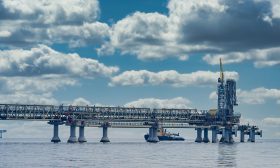
The longer-term outlook is less favourable for producers. The IEA warns that resolving the current supply crisis could put downward pressure on prices, while announced projects could increase LNG export capacity by more than 50%, creating oversupply risks if importing countries accelerate their shift towards alternatives.
These risks extend beyond individual companies to entire economies. Our PetroStates of Decline research found that 28 of the 40 petrostates assessed could lose more than half their expected oil and gas revenues under a moderate-paced transition scenario. Updating that analysis could help governments and financial institutions better understand the implications for public finances, sovereign debt and economic diversification.
Investors need not wait for political consensus to respond to these risks. They can challenge the demand and price assumptions underpinning fossil fuel companies’ investment plans and asset valuations, assess their exposure to fossil fuel-dependent economies, and identify opportunities to invest in infrastructure that reduces fuel dependence and strengthens economic resilience.
Institutional investors, particularly pension funds, can also use their influence to challenge corporate lobbying that undermines the transition and threatens long-term portfolio returns. Financial regulators have a complementary role in ensuring that companies disclose the transition assumptions underpinning their investment decisions.
From international agreements to practical action
One potential silver lining of Antalya is that countries committed to transitioning away from fossil fuels may now be more willing to act together outside the consensus-based COP negotiations. The coalition that has emerged could provide a stronger political foundation for initiatives already under way, including the Santa Marta process.
The Transitioning Away from Fossil Fuels (TAFF) agenda, developed in Santa Marta, offers willing countries a forum to translate political commitments into credible national transition roadmaps. Several countries, including Brazil, have already presented roadmaps, although some of the initial plans largely consolidate existing commitments.
These plans now need concrete measures and timelines, aligning future production, investment and licensing decisions with changing fossil fuel demand, while addressing hydrocarbon revenue dependence, economic diversification, debt and transition finance.
The next conference, co-hosted by Tuvalu and Ireland, provides an opportunity to advance this work. Carbon Tracker’s analysis will inform that agenda by examining the consequences of declining fossil fuel demand for producers, the benefits of electrification and technological leapfrogging for importers, and the implications for financial markets.
But international cooperation alone is insufficient. Governments need to back their transition ambitions with credible domestic policies and investment frameworks, while developed countries must deliver on their climate finance pledges.
The transition will not wait
COP31 also exposed the limitations of climate diplomacy under the UNFCCC’s current structure. This strengthens the case for reform. . But the financial consequences of continued fossil fuel dependence are already unfolding. Energy and infrastructure investments made today will shape future demand, costs and economic resilience for decades.
This calls for practical action toto accelerate electrification, develop credible national transition plans, advance cooperation through initiatives such as Santa Marta and direct finance where it can make the greatest difference.
Independent financial analysis has a vital role to play: identifying overlooked risks, understanding the consequences for producers and importers, and helping direct capital towards a more resilient energy system.
The test after Antalya is whether governments can turn political resolve into credible policies and investment plans, and help accelerate a transition that is already underway.