





















Continued fossil fuel expansion risks delaying electrification and prolonging exposure to volatile global energy markets
By Mark Campanale, Carbon Tracker’s Founder and CEO
As London prepares to host Climate Action Week, much of the discussion will focus on how to accelerate the energy transition through expanding renewable power generation and electrification. But building the new energy system is only half the challenge.
The recent Santa Marta conference on transitioning away from fossil fuels reflected a growing recognition that managing contraction of the old energy system will require equal attention from policymakers and investors if we are to deliver a successful transition.
The timing could hardly be more relevant.
As conflict in the Middle East once again sends shockwaves through global energy markets, governments are facing renewed pressure to strengthen energy security. Predictably, many of the proposed solutions focus on expanding fossil fuel supply.
Yet the lesson of recent years is not that countries need greater dependence on fossil fuels. It is that they need less. Time and again, geopolitical crises have exposed the vulnerabilities of energy systems built around internationally traded oil and gas. Price shocks originating thousands of miles away are transmitted directly into household bills, business costs and inflation rates.
Yet despite repeated reminders of these vulnerabilities, the policy response often promotes more fossil fuel supply in the name of energy security.
That response reflects an increasingly outdated view of transition risk.
For years, much of the debate around fossil fuels centred on the risk of stranded assets. Investors were encouraged to consider whether oil and gas investments would lose value as the world transitioned towards cleaner energy systems.
That question remains important. But a bigger risk is now emerging. Continued investment in fossil fuel expansion risks delaying the transition itself.
The direction of travel in the global energy system is increasingly clear. Electrification, renewable energy and energy storage continue to improve in performance and cost. Across much of the world, they now represent the most attractive source of new energy investment. Yet while the destination is becoming clearer, the speed of the transition is not predetermined.
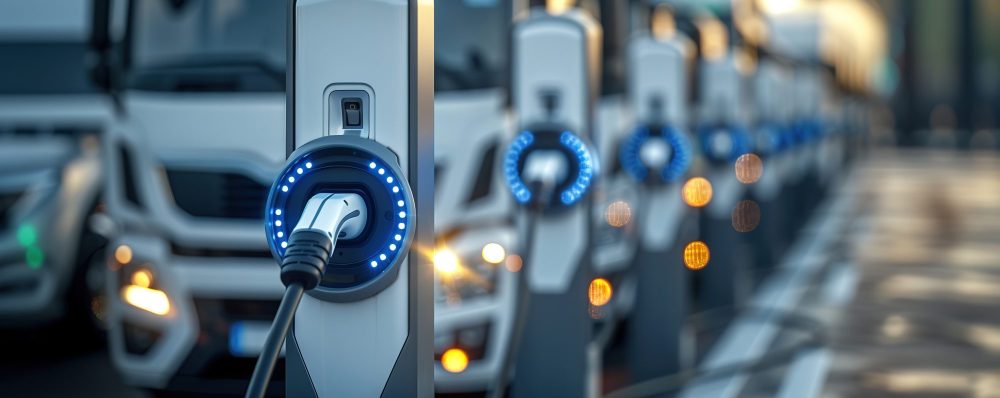
Fossil fuel oversupply slows the transition by weakening the economics of electrification – suppressing energy prices, delaying infrastructure turnover and extending the life of incumbent systems. Rather than acting as a stabilising, transitional energy source they become a brake on transition progress.
A successful transition requires fossil fuels to become the marginal supplier within a growing electricity-based economy rather than remaining the primary driver of energy supply and energy costs.
This requires new economic and financial frameworks. For decades, markets have been organised around assumptions of production growth, reserve replacement and expanding supply. Yet the priorities of a successful transition are different: investment in electrification, grids, storage and industrial transformation; realistic assessments of long-term demand; stronger scrutiny of fossil fuel capital expenditure.
This debate is particularly relevant in the UK. Calls for expanded North Sea drilling are frequently presented in terms of an “orderly transition”. But a transition that preserves stability for incumbent energy systems and markets in the short term may prove deeply disorderly for consumers, businesses and economies over the longer term.
The real energy-security goal is to replace dependence on globally priced fuels with domestically produced clean electricity. Once built, clean power assets have very low operating costs and are largely insulated from the geopolitical shocks that repeatedly destabilise fossil fuel markets. This is why the transition is increasingly a competitiveness and cost-of-living story as much as a climate story.
The prize for getting this right is not just lower emissions. It is lower and more stable energy costs, greater economic resilience, improved energy security and a more competitive economy.
At a time of mounting geopolitical uncertainty, the objective should not be to prolong dependence on an increasingly volatile energy system. It should be to accelerate the emergence of a more resilient one.
This op-ed was first published in Responsible Investor.